
A wide table, generously set.
We do not decide in advance what a child will love.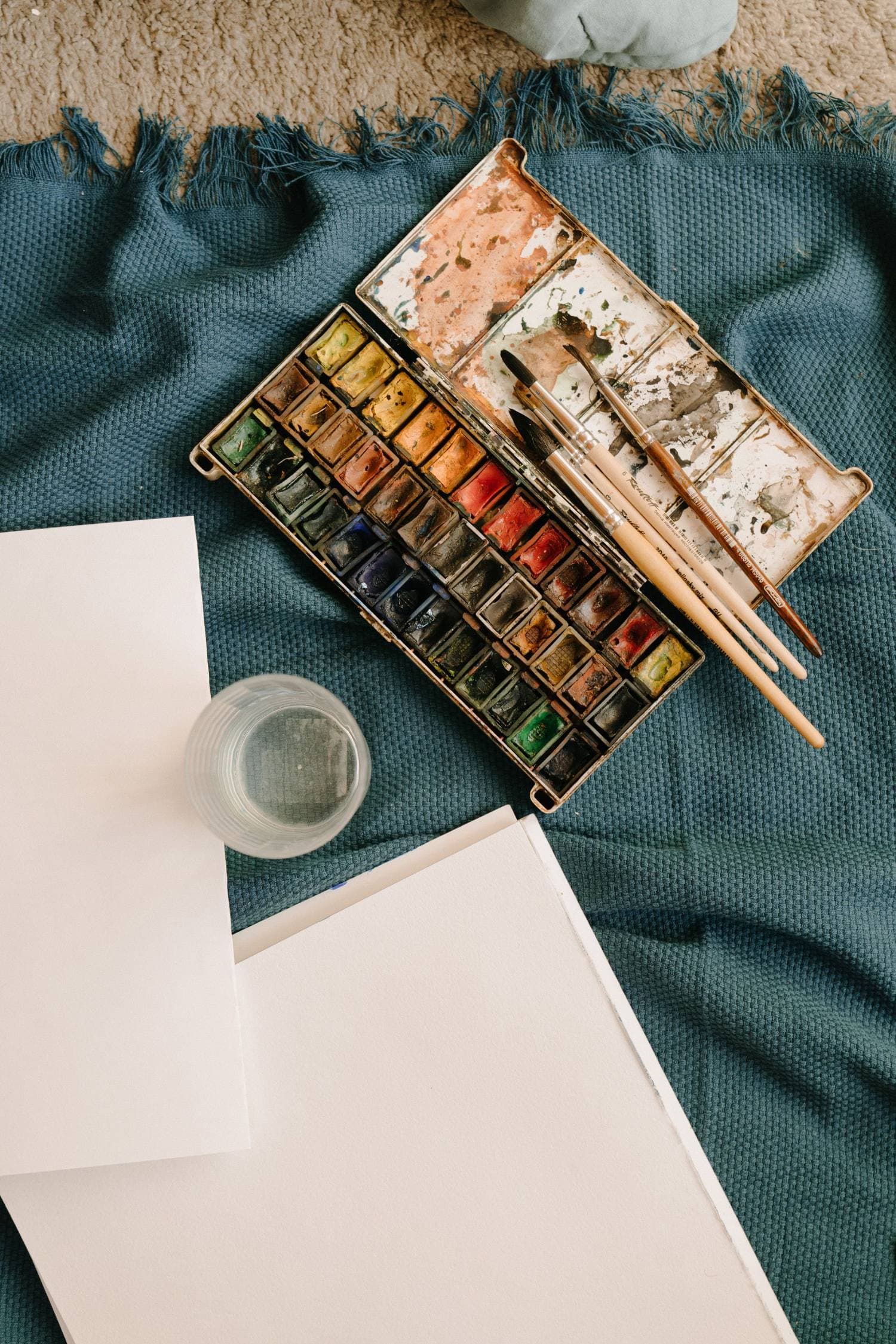
Mason used the word feast deliberately. A feast is not a diet plan; nobody weighs what is taken. It is spread out, and it is offered, and the guest eats what nourishes them.
So we lay out far more than any one child will make their life’s work, and we do not apologise for the breadth. A child who never becomes a musician has still spent a year listening to Bach, and is not the same for it.

Language & literature
Shakespeare
Read aloud in parts, unabridged, from the beginning. Children meet the real language and rise to it.
Poetry
One poet at a time, read slowly and often, until the lines belong to the child.
Narration
Not a subject so much as the method underneath all of them: tell it back, in your own words.
Spanish
A living language learned by ear and by use, in songs, phrases and ordinary conversation.
Beauty & making
Picture Study
One artist a term. Look in silence, turn the picture over, and describe it from memory.
Music & Composer Study
One composer a term, heard often enough to be recognised like a friend’s voice.
Handicrafts
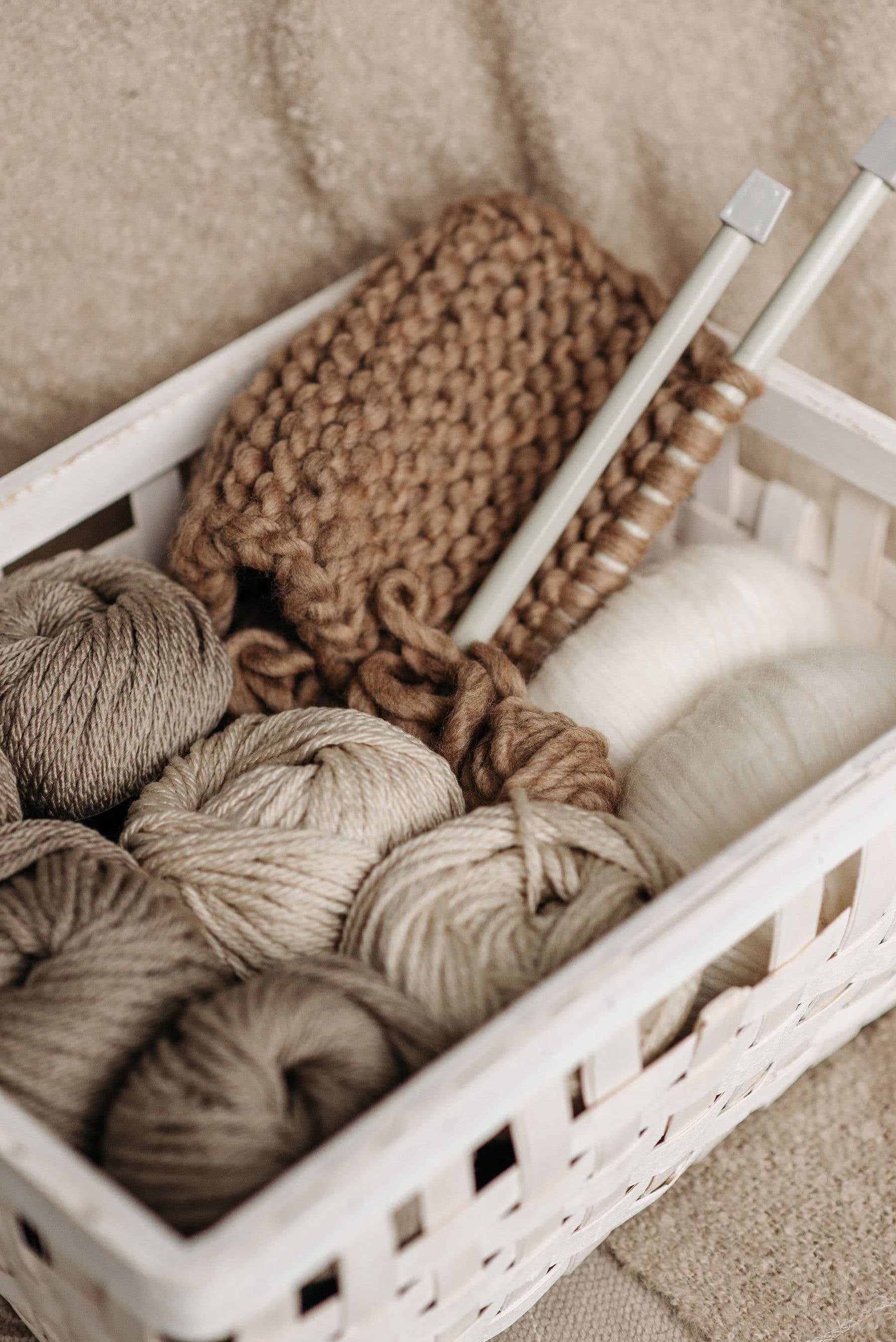
Real skills making real things — knitting, sewing, clay, woodwork — finished properly and used.
Body & motion
Folk Dance
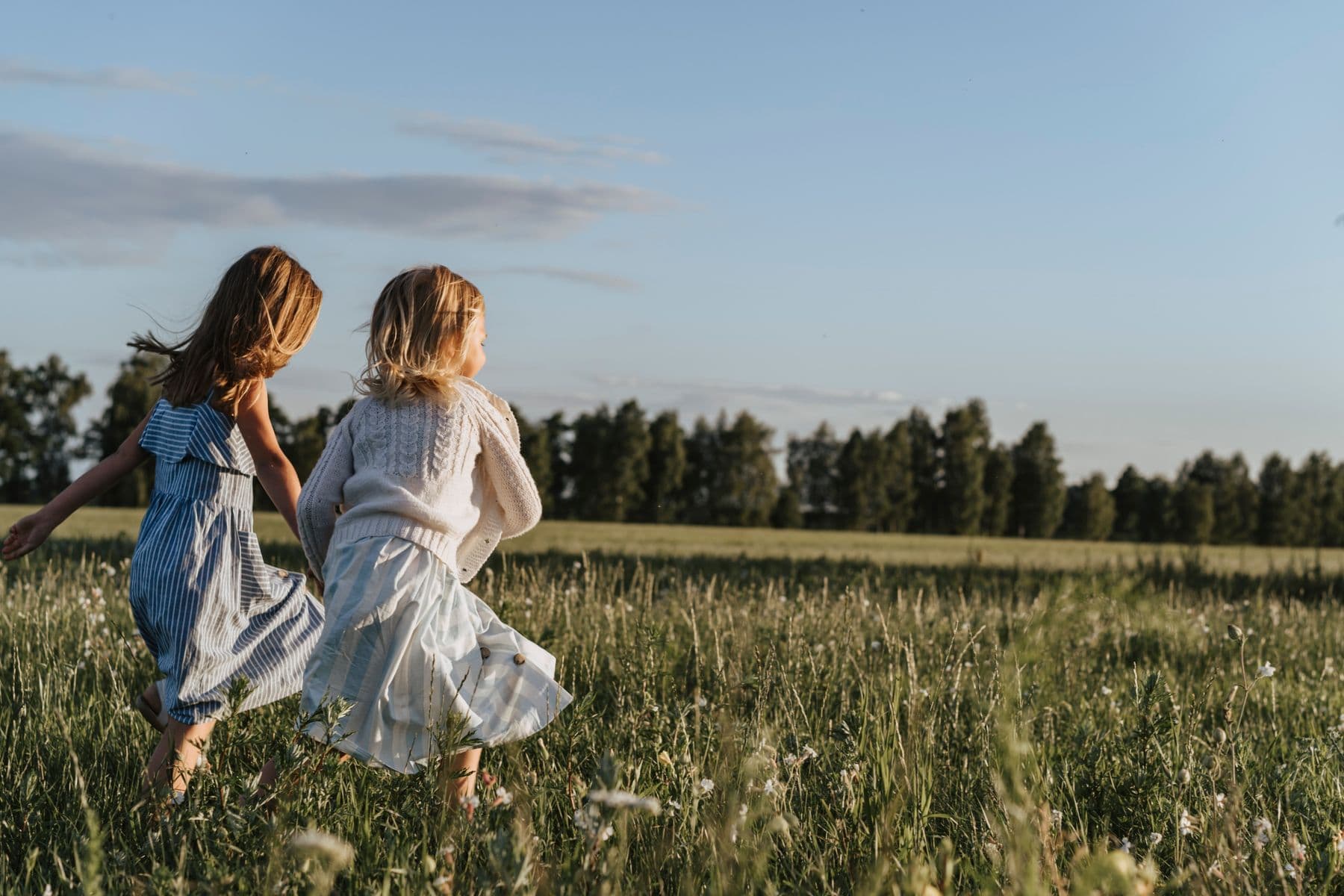
Traditional dances learned together. Joyful, a little chaotic, and impossible alone.
Swedish Drill
Short, precise, whole-body exercises. Mason prized them for attention as much as for fitness.
Balance & Coordination
Deliberate practice at the physical skills that make a child at home in their own body.
The children have a right to the best we possess.Charlotte M. Mason
Taste it on a Wednesday.
The feast makes more sense in a room than on a list.